One of the most common questions we get from families planning a custom inground pool is this: saltwater or chlorine? It sounds like a simple choice, but there are real differences between the two systems that affect how your pool feels, how much maintenance you’ll be doing, and what kind of ongoing costs you can expect. The good news is that neither system is universally “wrong.” It really comes down to your family’s priorities, and we’re happy to walk you through both.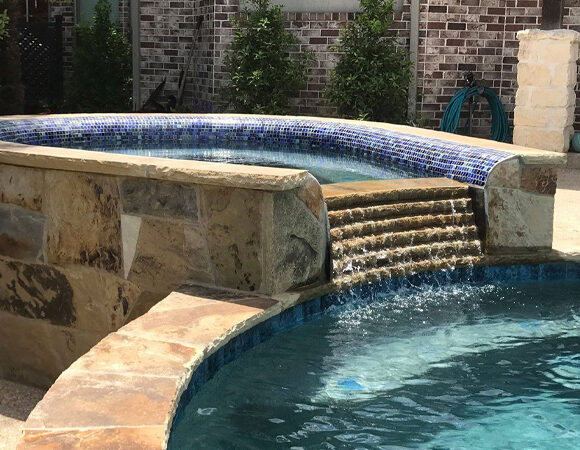
How Each System Actually Works
A traditional chlorine pool relies on adding chlorine tablets, granules, or liquid directly to the water on a regular schedule. You’re managing the chemistry manually, testing the water frequently, and adjusting levels as needed. It’s a familiar system that has worked for decades, and plenty of pool owners in Midlothian and the surrounding area are perfectly comfortable with it.
A saltwater pool, on the other hand, uses a salt chlorine generator. You add pool-grade salt to the water, and the generator converts it into chlorine through a process called electrolysis. The water still contains chlorine, just at lower, steadier levels that the system produces automatically. What you’re cutting out is the constant manual dosing and the sharp chemical spikes that come with it.
The Feel of the Water (and Why Families Notice It Immediately)
This is where saltwater pools tend to win people over fast. The water feels softer and gentler on skin, eyes, and hair. Families with young children, or anyone who’s ever stepped out of a pool with red eyes and irritated skin, often find the saltwater experience noticeably more comfortable. The salt concentration is much lower than ocean water, so it doesn’t feel briny at all. It’s closer to what your body naturally tolerates well.
Traditional chlorine pools can feel perfectly fine when they’re balanced correctly, but the reality is that the balance fluctuates. After a hot weekend with a lot of swimmers, levels can spike, and that’s when irritation tends to show up. Many families in Glenn Heights, Ovilla, and Mansfield who have made the switch to saltwater tell us they can’t imagine going back.
Maintenance and Ongoing Costs
Saltwater systems are often described as “lower maintenance,” and that’s mostly accurate, with a few caveats. You’re not buying and hauling chlorine tablets every week or two. The generator handles production automatically, which saves both time and the kind of day-to-day attention that traditional systems demand. That said, you do need to check salt levels, clean the generator cell periodically, and still test your water chemistry. It’s less work, not zero work.
Up front, a saltwater system costs more to install than a basic chlorine setup. The generator itself is an added expense. Over time, though, you tend to spend less on chemicals, which can balance things out depending on how much you use the pool. We always talk through both scenarios with homeowners in Waxahachie and the surrounding areas so they go in with clear expectations, not surprises.
Chlorine pools carry lower initial equipment costs but higher ongoing chemical expenses. If you’re handy with pool chemistry and enjoy the hands-on aspect of managing it yourself, that can work very well. If you’d rather the pool largely take care of itself, saltwater has a real advantage.
What About the Pool Equipment and Surfaces?
One thing worth knowing is that saltwater can be harder on certain materials over time, particularly metal fittings, ladders, and some types of pool finishes. This isn’t a dealbreaker, but it does mean that when we’re building a custom inground pool for a saltwater system, we select materials and components specifically compatible with that environment. Proper installation matters a lot here. A saltwater pool built with the right materials and equipment, including the correct generator sized for your pool’s volume, performs beautifully for years.
Smart Controls and Energy Efficiency
Whether you go saltwater or chlorine, we also offer smart device controls that let you monitor and adjust your pool’s systems from your phone. Combined with our green energy-efficient build options, you can have a pool that’s not only comfortable but also cost-conscious to run month to month. These are features that a lot of families in Midlothian and Mansfield find genuinely useful, especially during a Texas summer when the pool is running constantly.
So Which One Should You Choose?
For most families, especially those with kids or anyone sensitive to strong chemical smells and skin irritation, we lean toward recommending saltwater. The experience at the pool is simply more pleasant day to day, and the reduced chemical load is a real benefit. That said, if budget is the primary concern or you already have strong familiarity with managing chlorine chemistry, a traditional system can serve you well too.
Bill and Sharon are both involved throughout every build we do, from the first 3D rendering to the day we hand over the keys, so to speak. We’re happy to sit down with you, talk through your specific situation, and help you figure out which system makes the most sense for your family’s backyard. Give us a call or drop us an email any time. We love talking pools.